A burning sensation on the face is never pleasant. Some people describe their skin as feeling hot, tingly, or "raw," sometimes upon waking, after cleansing, or simply during a particularly stressful day.
The most puzzling aspect is that these sensations are not always accompanied by visible signs. The skin appears normal, with no significant redness or apparent irritation, yet the discomfort is very real.
Of course, burning skin can have various causes: a reaction to a cosmetic, an allergy, sunburn, or certain dermatological conditions like rosacea or eczema. But there is another cause, often less known: stress.
By altering the dialogue between the brain and the skin, stress can make nerve endings more sensitive and the skin more reactive.
How can you differentiate stress-sensitized skin from a dermatological problem? What signs should alert you? And most importantly, how can you achieve lasting comfort for your skin?
Why is my skin burning?
A burning sensation on the skin is a warning signal.
It can originate from multiple sources:
-
Physical or chemical irritation: use of unsuitable products or excessive rubbing.
-
An allergy: an immediate immune reaction to a cosmetic ingredient.
-
Rosacea: a chronic dermatological condition characterized by vasomotor flushing.
-
Sunburn: a thermal burn related to UV rays.
-
Stress: an often underestimated factor that can cause sensations of heat and burning, even in the absence of visible lesions.
In all cases, the sensation of burning skin indicates a skin reaction to a real aggression or a stimulus it perceives as such.
Some people experience this sensation even though their skin shows few, if any, visible signs. Conversely, significant redness can sometimes be accompanied by relatively moderate discomfort.
The intensity of the sensations felt does not always reflect the importance of visible manifestations.

How to recognize stress-sensitized skin?
Many people notice that their skin becomes more sensitive during periods of high pressure: before an exam, a job interview, a conflict, or a period of intense fatigue.
Indeed, stress can be the cause when:
-
sensations appear or intensify during tense life periods or peaks of fatigue.
-
the skin burns, heats up, or tingles without any visible lesions, pimples, or patches;
-
your usual products, which you have tolerated for a long time, suddenly become uncomfortable;
-
diffuse redness appears during emotional stress, then disappears once calm returns;
-
episodes alternate with periods when the skin returns to normal functioning.
These elements alone do not allow for a diagnosis. However, when they recur in a stressful context, they provide useful clues to better understand the origin of the discomfort.
Why can stress cause a burning sensation?
The skin is a neuro-immuno-endocrine organ. In other words, it constantly interacts with the nervous system, the immune system, and the endocrine system.
When stress becomes chronic, these exchanges gradually change, and the skin can become more reactive, even causing burning sensations, heat, or tingling.
This increase in skin sensitivity is based on three complementary mechanisms: a less effective barrier function, more reactive nerve endings, and low-grade inflammation that sustains this reactivity over time.
A less effective barrier function
The superficial layer of the skin forms a natural barrier against external aggressions. It limits water loss and prevents many potentially irritating substances from penetrating the epidermis.
When stress persists over time, this protective function can be altered. The skin dehydrates more easily and becomes more vulnerable to daily aggressions.
Situations that were previously harmless, such as wind, cold, a hot shower, or contact with hard water, can then be enough to cause a burning or warming sensation.
More sensitive nerve endings
This is probably the least known mechanism… yet one of the most important.
The skin is covered with thousands of nerve endings responsible for detecting heat, cold, touch, or pain.
When stress persists, these sensors become more reactive.
This hypersensitivity explains why some people feel burning skin even when no significant abnormality is visible during clinical examination.
Subtle but persistent inflammation
Stress also promotes the release of various inflammatory mediators.
Often invisible, this low-grade inflammation can nevertheless maintain diffuse redness, a sensation of heat, or persistent skin discomfort.
Over time, it helps keep the skin in a state of alert. A real vicious cycle can then set in.
Want to better understand how the brain, stress, and skin interact? Discover our article on the link between stress and skin.

Mistakes that perpetuate reactive skin
When skin burns or becomes particularly sensitive, the first reflex is often to want to "repair" it quickly. Be careful, because some actions, although performed with good intentions, can prolong discomfort.
Using overly powerful active ingredients
Exfoliating acids, peels, retinol, and scrubs can be very beneficial in certain routines. However, when skin is already burning or tingling, they risk intensifying the sensation of discomfort.
This does not mean they should be eliminated permanently, but it may be preferable to temporarily discontinue them until the skin regains a better level of tolerance.
Cleansing your skin too often
Washing your face several times a day generally does not alleviate burning sensations.
On the contrary, overly frequent cleansing or cleansing with overly harsh products removes part of the hydrolipidic film, which is essential for proper skin function.
Cleansing morning and evening with a gentle product is usually sufficient.
Using water that is too hot
Very hot water causes blood vessels to dilate and can accentuate sensations of heat and redness.
Opting for lukewarm water often helps limit this effect.
Rubbing or vigorously drying the skin
When sensitized, the skin tolerates repeated rubbing less well. It is better to dry it by gently dabbing with a clean towel rather than rubbing to reduce the risk of irritation.
Forgetting sun protection
Compromised skin also becomes more sensitive to UV rays.
Even when they do not cause visible sunburn, UV rays perpetuate inflammation and can accentuate feelings of discomfort.
Combined with chronic stress, they also contribute to accelerating the appearance of signs of skin aging. We explain this mechanism in more detail in our article on the link between stress and wrinkles.
Therefore, daily application of appropriate sun protection remains essential, even outside of summer.

What to do when skin burns?
There is no single solution that can instantly calm reactive skin. However, a few simple steps can often gradually improve comfort.
Revert to a minimalist routine
When skin burns, the priority is to reduce the number of aggressions.
For a few days, focus on three essential steps:
- gently cleanse the skin;
- apply a hydrating and soothing treatment;
- protect the face with appropriate sunscreen during the day.
This approach allows the skin time to gradually regain its balance.
Soothe before correcting
Before trying to address other concerns such as radiance, wrinkles, or imperfections, it is preferable to aim to restore comfortable and more tolerant skin.
Restore hydration
Maintaining good hydration helps improve comfort, reduce feelings of tightness, and strengthen its protective capacity.
Avoid applying the richest textures. Instead, choose products that can maintain water in the skin over time while respecting its sensitivity.
The most interesting active ingredients
Certain ingredients are particularly suitable when the skin becomes more reactive during periods of stress.
-
CBD helps soothe feelings of discomfort and low-grade inflammatory reactions.
-
Panthenol supports skin repair while improving its comfort.
-
Ceramides strengthen the barrier function and limit water loss.
-
Niacinamide helps reduce redness while improving the skin's resistance to external aggressions.
-
Hyaluronic acid helps maintain good hydration, which is essential for more supple and less uncomfortable skin.
These active ingredients act synergistically and are often more effective when integrated into a consistent routine than when used in isolation.
When should you consult a doctor?
Skin that periodically burns during a stressful period is not necessarily cause for concern.
However, medical advice is recommended when:
-
sensations become very intense or painful;
-
blisters, weeping, or lesions appear;
-
redness persists for several days;
-
symptoms persist for more than two weeks or worsen despite an adapted routine;
-
episodes become frequent or spread to other parts of the body.
A dermatologist can look for an underlying skin condition, such as dermatitis, rosacea, or contact allergy, and offer appropriate treatment.
Céline's advice
Skin that has been sensitized can sometimes continue to react for a few days, even after the stressful period is over.
This is normal: the nervous system doesn't always "return" instantly to its equilibrium state.
Before concluding that a skincare product is no longer suitable for you, give your skin a few days of stability. It often gradually regains its tolerance threshold.

A C-Derma routine to support stress-sensitized skin
To support skin that burns, heats up or feels tight, we recommend:
-
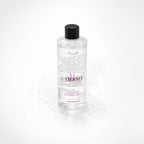
The Face Serum combines a biomimetic hyaluronic acid duo, panthenol, and soothing active ingredients to lastingly improve skin hydration and comfort.
-
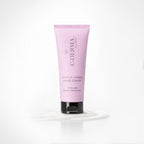
The Day and Night Creams complement this action with a combination of biomimetic active ingredients and lipids that help maintain a more effective barrier function.
-
The SPF50+ Sunscreen protects the skin from UV rays, which can exacerbate feelings of discomfort when the skin is already sensitized.
Generally, CBD-enriched skincare products naturally find their place when the skin also exhibits redness or increased sensitivity during periods of stress.
This routine helps the skin regain lasting comfort, without compromising its natural balance.
Conclusion
Skin that burns is not always sick skin. It is skin that has become more reactive, whose tolerance threshold has temporarily lowered.
It is often useful to identify what has weakened the skin and to give it time to return to its normal functioning. This adaptive capacity is one of the skin's great strengths.
When accompanied by a respectful routine, good hydration, and a less aggressive environment, it very often gradually regains its comfort and its ability to better cope with daily demands.
FAQ: burning skin and stress
Can stress cause a burning sensation on the skin?
Yes. Stress can make skin more sensitive by weakening its barrier function and increasing the reactivity of nerve endings. Some people then experience burning sensations, warmth, or tingling, even without significant redness.
Why does my skin burn when it looks normal?
A burning sensation is not always linked to visible irritation. When nerve fibers become more sensitive, they can transmit signals of discomfort even when the skin shows no apparent lesions.
Is burning skin necessarily allergic?
No. An allergy is a possibility, but other factors can cause this type of sensation: a weakened barrier function, skin made more sensitive by stress, certain dermatological conditions, or unsuitable products. If symptoms persist or worsen, it is best to consult a healthcare professional.
What cream should I use when my skin burns?
Choose a cream formulated for sensitive skin, containing moisturizing and soothing active ingredients such as hyaluronic acid, panthenol, ceramides, or niacinamide. Temporarily avoid products containing exfoliating or heavily fragranced active ingredients.
When should I consult a dermatologist?
Medical advice is recommended if burning sensations persist for several days, become painful, are accompanied by lesions, blisters, or significant itching, or if they recur frequently despite an adapted routine.
Articles you might like
 Rougeurs & rosacée
Pourquoi ai-je le visage rouge après la douche ?
Quelques minutes sous l’eau chaude et votre visage devient rouge, chaud ou inconfortable ? Découvrez pourquoi certaines peaux rougissent plus faci...
 Rougeurs & rosacée
Rougeurs après le rasage : pourquoi apparaissent-elles et que faire ?
Joues qui rougissent, cou qui picote, petits boutons quelques heures après le rasage : ces réactions sont fréquentes, notamment sur les peaux sensi...
 Rougeurs & rosacée
Rougeurs au visage et ménopause : causes et solutions
Bouffées de chaleur, sécheresse, sensibilité accrue… À la ménopause, les bouleversements hormonaux peuvent également affecter la peau. Comprendre ...
 Stress & inflammation de la peau
Peau stressée : pourquoi le stress rend-il le teint terne et fatigué ?
Le stress ne marque pas seulement les traits : il peut aussi perturber l’équilibre cutané et rendre le teint plus terne. Découvrez comment reconnaî...