During the teenage years, skin changes fast. It can break out and look shinier… but it can also feel tight, uncomfortable or sensitive.
Many people assume tightness means a lack of cream, or that breakouts automatically mean oily skin. In reality, teen skin can be oily AND dehydrated at the same time, which explains those feelings of discomfort.
Understanding what your skin really needs is the first step towards building a teen facial skincare routine that is simple and effective.
Why teen skin can be oily… yet dehydrated
During adolescence, hormonal changes profoundly alter the way skin behaves. Many teens notice breakouts and oilier areas appearing at the same time.
More sebum does not necessarily mean more hydration
Under the influence of puberty, hormones stimulate sebum production. The result: skin can become shinier and more prone to blemishes.
And yet, oily skin is not necessarily well-hydrated skin.
Sebum and hydration are two different mechanisms:
- sebum is made up of the oils naturally produced by the skin;
- hydration refers to the amount of water held within the different layers of the epidermis.
Teenage skin can therefore produce plenty of sebum while still lacking water.
What are the signs of dehydrated teen skin?
When skin lacks water, several symptoms can appear:
- skin that feels tight
- discomfort after cleansing or showering
- dry patches around the nose or mouth
- dehydration lines (especially around the eyes)
- a feeling of skin that is about to "crack"
- a duller complexion
- more breakouts caused by compensatory sebum overproduction
If your skin feels tight despite visible shine or blemishes, it is usually a sign of dehydration rather than a lack of oil.
To better understand the difference between dry and dehydrated skin, read our article on dry skin versus dehydrated skin.
The most common mistakes in a teen skincare routine
When they first take an interest in skincare, many teenagers focus mainly on getting rid of breakouts or reducing shine. Yet some habits can have the opposite effect and weaken the skin even further.
Trying to dry out breakouts at all costs
When blemishes appear, the instinct is often to use harsh, stripping products or spot treatments across the entire face.
However, the more the skin is stressed, the more reactive it can become — and the more sebum it may produce to compensate.
To limit this, it is better to target only the affected areas rather than systematically treating the whole face.
Cleansing your skin too often
Washing your face several times a day does not necessarily reduce breakouts.
On the contrary, over-cleansing can damage the skin barrier and make tightness worse.
Skipping hydration
Some teens believe a moisturiser will make their skin oilier.
In reality, dehydrated skin needs water — even when it shows shine, blemishes or excess sebum.
Layering too many products
Social media is full of complex routines packed with serums, actives and treatments.
Yet teenage skin generally does not need ten different products. A simple, coherent and consistent routine is often more effective than a pile-up of skincare steps.
Switching products too quickly
Results are not instant. Many teens give up on a product after just a few days.
However, skin needs time to adapt. Consistency is often one of the most important factors in achieving visible results.
Neglecting sun protection
Teenagers are particularly sensitive to UV radiation, because their skin is thinner and their pigment system is still immature.
Suitable sun protection, ideally SPF50, therefore helps limit not only the risks linked to sun exposure but also dehydration.
All of these habits can weaken the skin barrier and make skin more uncomfortable on a daily basis.

Teen facial skincare routine: what to do
When teen skin feels tight, the goal is to adopt a simple, consistent routine tailored to its actual needs.
1. Teen skincare: start with a gentle cleanser
Cleansing twice a day, morning and evening, removes excess sebum, impurities and the residue that builds up throughout the day.
Choose a gentle cleanser that is soap-free and non-stripping.

2. Add hydration with a suitable serum
When skin lacks water, using a hydrating serum can make a real difference.
Some actives are particularly well suited to teenage skin:
- biomimetic hyaluronic acid, which helps the skin retain water without any greasy feel;
- panthenol, which helps soothe feelings of discomfort;
- CBD, valued for its balancing action on skin exposed to external aggressors.
The C-Derma Face Serum brings together in a single formula dual-molecular-weight biomimetic hyaluronic acid, CBD and carefully selected botanical extracts to help hydrate the skin, strengthen the skin barrier and reduce feelings of discomfort. Its lightweight, fast-absorbing, non-greasy texture is well suited to teens prone to dehydration.
3. Use a face cream suited to teens
Opt for a lightweight, non-comedogenic cream that hydrates the skin without weighing it down or adding shine.
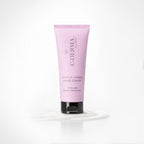
The C-Derma Day Cream combines hydrating and soothing actives in a velvety texture. It nourishes the skin without the heavy or sticky feel many young people dread.

4. Protect your skin from the sun
Daily sun protection helps limit external aggressors.
The C-Derma SPF50+ Face Sun Care filters more than 98% of UVB rays thanks to its Swiss formula. Enriched with soothing CBD, vitamin E and antioxidant actives, it protects the skin without leaving white marks or a greasy finish.
Céline's tip
Many teens think that shiny or blemish-prone skin does not need hydration. It is often the exact opposite.
Before stacking up serums, actives or products spotted on social media, start with the basics: cleanse your skin gently, hydrate it regularly and protect it from the sun.
In the end, three simple steps you keep up over time beat a ten-step routine abandoned after two weeks.
Conclusion: listen to your skin's needs
During adolescence, skin is constantly changing under the influence of hormones. A little shine, a few blemishes or periods of discomfort are therefore perfectly normal.
The goal is not perfect skin, but giving it what it needs to get through this stage in the best possible condition.
FAQ: teen facial skincare, tight-feeling skin and hydrating teenage skin
Which teen facial skincare should I choose?
Choose gentle, non-comedogenic products suited to your skin's actual needs. Skin prone to tightness will benefit most from hydrating actives such as hyaluronic acid or glycerin, while blemish-prone skin may need additional targeted care.
In most cases, a gentle cleanser, a moisturiser and daily sun protection are a sufficient foundation.
Which teen face cream should I use?
The best teen face cream is one that hydrates the skin without leaving a greasy film or encouraging blemishes. Lightweight, non-comedogenic textures designed for young skin are generally the best choice.
The C-Derma Day Cream follows this approach with its lightweight, fast-absorbing texture. Formulated with biomimetic-inspired hydrating and soothing actives, it helps preserve the skin's hydration without weighing it down, even when skin is prone to shine or blemishes.
Why does my skin feel tight even though I have breakouts?
Skin that feels tight is not necessarily dry skin. During adolescence, it is common to have skin that is both oily and dehydrated. Excess sebum and a lack of water can coexist, particularly in cases of teenage acne or when using overly harsh products.
Does oily skin need hydration?
Yes. Hydrating teen skin remains essential, even when the skin shows shine or blemishes. Skin lacking water can become more uncomfortable and may sometimes produce even more sebum to compensate.
What facial skincare routine should teenage boys follow?
A teen facial skincare routine can stay very simple: cleanse the skin morning and evening with a gentle cleanser, apply a suitable moisturiser, then use sun protection during the day. The skin's fundamental needs are the same for boys and girls.
At what age should a teen skincare routine begin?
There is no set age to start a teen skincare routine. As soon as specific needs appear — shine, blemishes, tightness or skin discomfort — a simple, suitable routine can be put in place.
How can teenagers reduce breakouts?
To limit breakouts on teen faces, it is important to avoid over-cleansing and overly harsh products. A consistent routine combining gentle cleansing, hydration and sun protection generally helps keep skin more balanced.
Articles you might like
 Stress & inflammation de la peau
Stress oxydatif : quel impact sur la peau ?
Invisible mais quotidien, le stress oxydatif peut perturber l’équilibre de la peau et contribuer à son vieillissement. D’où vient-il, quel rôle jo...
 Actifs & science de la peau
Biotine et chute de cheveux : quel rôle joue la vitamine B8 ?
Souvent associée à la pousse et à la chute des cheveux, la biotine joue un rôle bien précis dans l’organisme. Carence, cheveux fragilisés, suppléme...
 Actifs & science de la peau
Gummies cheveux : comment fonctionnent-ils et quels résultats attendre ?
Biotine, zinc, vitamines… Les gummies cheveux concentrent plusieurs nutriments dans un format facile à intégrer au quotidien. Mais peuvent-ils réel...
 Actifs & science de la peau
Nutricosmétique : quels bienfaits peut-on réellement attendre pour la peau ?
Vitamines, antioxydants, compléments alimentaires… La nutricosmétique propose de prendre soin de la peau aussi de l’intérieur. Quels sont ses véri...